At The Miracle Wellness Center, we often remind our patients that the body does not operate in separate compartments. Your hormones influence your brain. Your gut communicates with your nervous system. Your blood sugar can affect your mood. Your nutrient status can influence energy, focus, and resilience. It is all connected.
When we think about nutrition, we often focus on physical goals — supporting a healthy weight, improving energy, balancing hormones, or optimizing metabolic health. But the foods we eat also provide the raw materials our brain and nervous system need every single day. That means what is on your plate may have a much bigger relationship with how you think, feel, focus, and respond to stress than many people realize.
Your Brain Needs Nutrients, Too
The brain is incredibly metabolically active. In fact, it uses approximately 20% of the body’s daily energy — despite representing only a small percentage of total body weight. To keep up with that demand, the brain depends on a steady supply of nutrients.
Protein provides amino acids used to make neurotransmitters. B vitamins participate in countless neurological and metabolic processes. Minerals such as magnesium, zinc, and iron serve as important cofactors. Healthy fats help form and maintain cell membranes. This is one reason we take such an individualized approach to nutrition at The Miracle Wellness Center — because sometimes what appears on the surface as simply feeling “off” deserves a deeper look.
The Food–Mood Connection
There are several important ways nutrition and mental wellness intersect — and understanding them changes how we think about what we put on our plates.
Neurotransmitter Production
Neurotransmitters such as serotonin, dopamine, and GABA help regulate mood, motivation, focus, sleep, and the body’s ability to settle into a calmer state. But your body cannot manufacture these messengers from nothing. It needs nutritional building blocks — including amino acids from protein as well as nutrients such as B vitamins, magnesium, zinc, and iron. A nutrient-dense diet helps provide the foundation the body needs for these biochemical pathways.
Your Gut and Brain Are Constantly Communicating
We love talking about the gut at The Miracle Wellness Center because digestive health reaches far beyond digestion. The gut-brain axis describes the ongoing, two-way communication between the gastrointestinal system and the brain. The intestinal microbiome, immune system, nervous system, and vagus nerve are all part of this fascinating conversation. Changes in the microbiome, intestinal inflammation, digestive function, nutrient absorption, and dietary patterns may have effects that reach well beyond the stomach. Your gut isn’t working in isolation — and neither is your brain.
Inflammation Matters
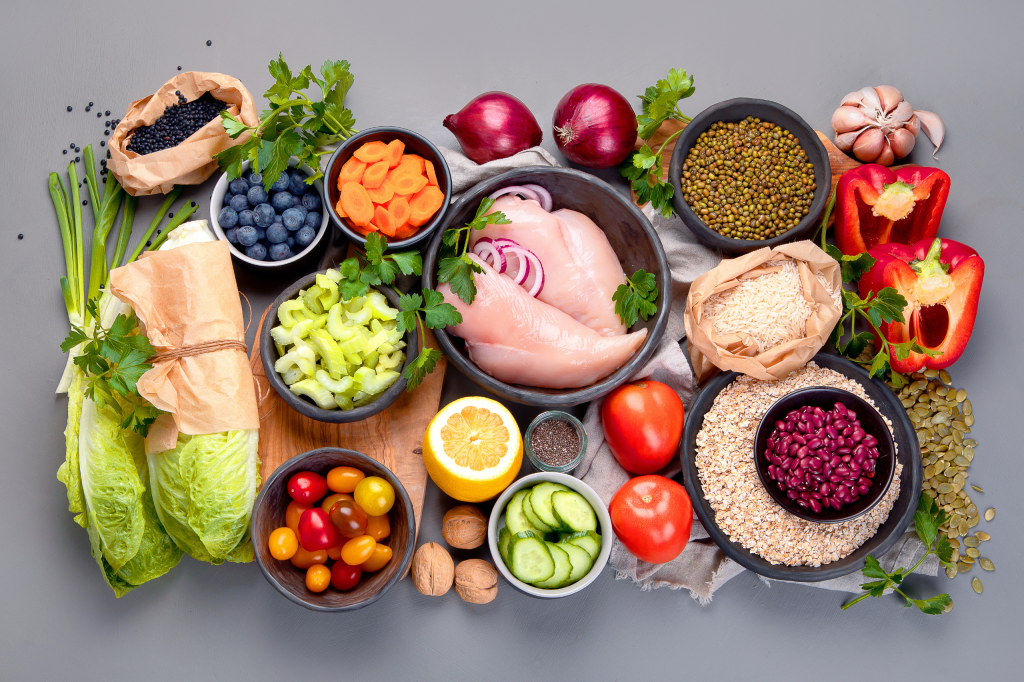
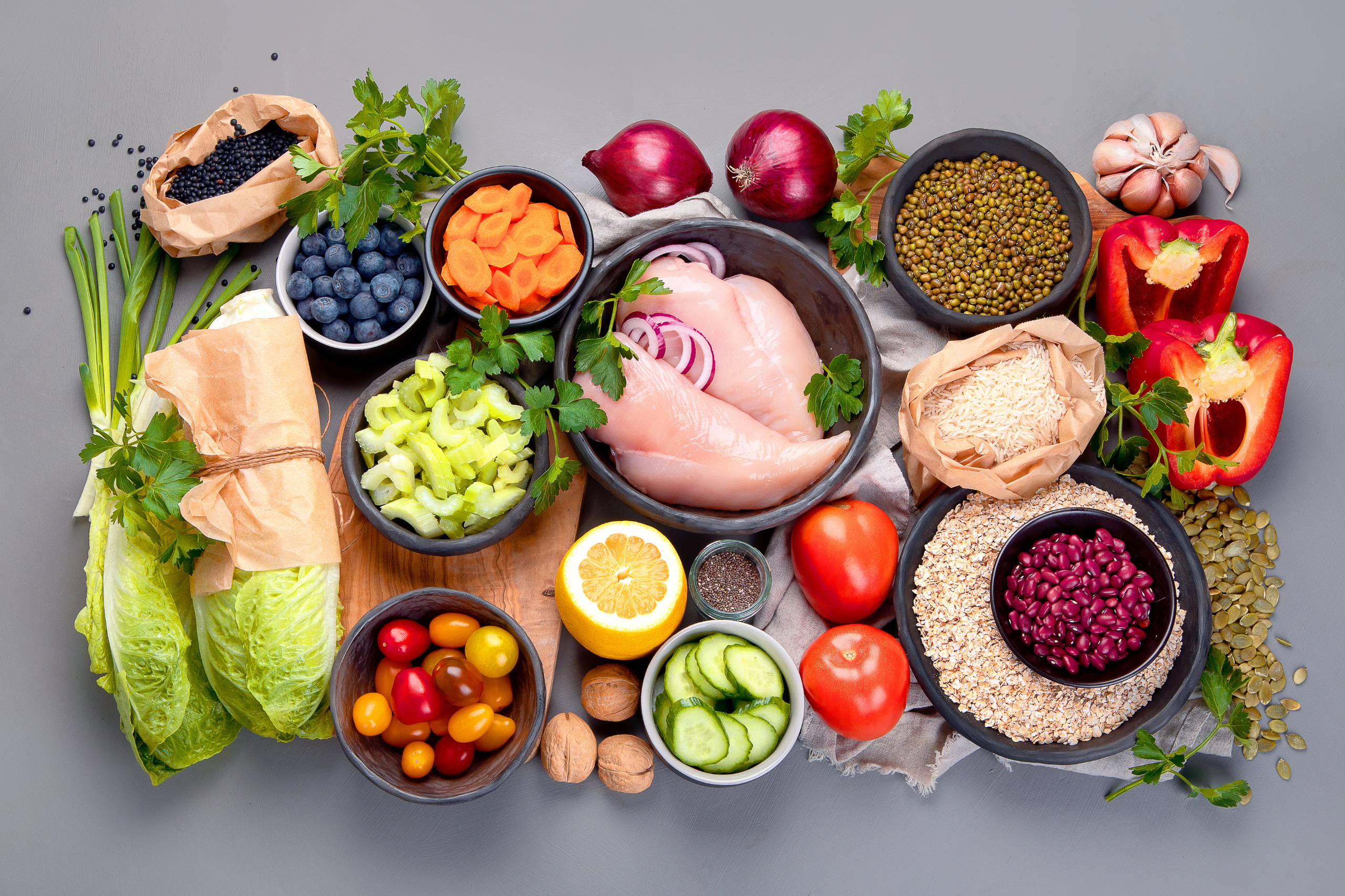
Chronic inflammation has increasingly been studied for its relationship with brain health, mood, and cognition. A dietary pattern dominated by highly processed foods and refined sugars may contribute to an inflammatory environment — while a nutrient-dense pattern rich in colorful plants, quality proteins, healthy fats, fiber, herbs, and whole foods provides compounds that help support the body’s normal inflammatory balance. The goal isn’t dietary perfection. It is creating a nutritional environment that gives your body more of what it needs and less of what continually works against it.
Blood Sugar Can Feel Like an Emotional Roller Coaster
Have you ever gone too long without eating and suddenly felt shaky, anxious, irritable, exhausted, or unable to concentrate? There may be physiology behind that feeling. When glucose drops, the body has mechanisms designed to bring it back up — including the release of stress hormones such as cortisol and adrenaline. For some people, those fluctuations can feel surprisingly similar to anxiety, irritability, brain fog, fatigue, or emotional reactivity. Building meals around protein, fiber, healthy fats, and nutrient-dense carbohydrates may help create steadier energy and glucose responses throughout the day.
Food isn’t simply calories. It is information. Every meal delivers proteins, fats, carbohydrates, vitamins, minerals, fiber, and plant compounds that interact with your physiology. When someone comes to me struggling with brain fog, mood changes, or fatigue — one of the first things I want to understand is what their body has been getting to work with.
— DR. LYNN DUHE, PhD-IM, FNP-BC, FNP-C
6 Foods Your Brain Will Thank You For
You don’t need an exotic “superfood” cabinet to begin supporting your brain. Some of the most powerful nutritional foundations are beautifully simple.
Blueberries
Blueberries contain colorful plant compounds called anthocyanins, along with vitamin C and other antioxidants. Add fresh or frozen blueberries to Greek yogurt, smoothies, chia or flax pudding, or simply enjoy them on their own. Frozen wild blueberries can be an especially easy staple to keep on hand.
Fatty Fish
Salmon and other fatty fish provide the omega-3 fatty acids EPA and DHA — fats that are particularly important to the nervous system because DHA is a key structural component of the brain and neuronal cell membranes. Try incorporating fatty fish such as salmon, sardines, trout, or mackerel into meals regularly when appropriate for you.
Extra-Virgin Olive Oil
Extra-virgin olive oil is one of the signature foods of a Mediterranean-style dietary pattern — providing monounsaturated fats along with naturally occurring polyphenols and other plant compounds. Use it over salads, roasted vegetables, proteins, beans, and other whole-food meals. One of our staff favorites is this high-polyphenol extra-virgin olive oil from Liokareas — use code TMWC for 10% off at checkout.
Nuts and Seeds
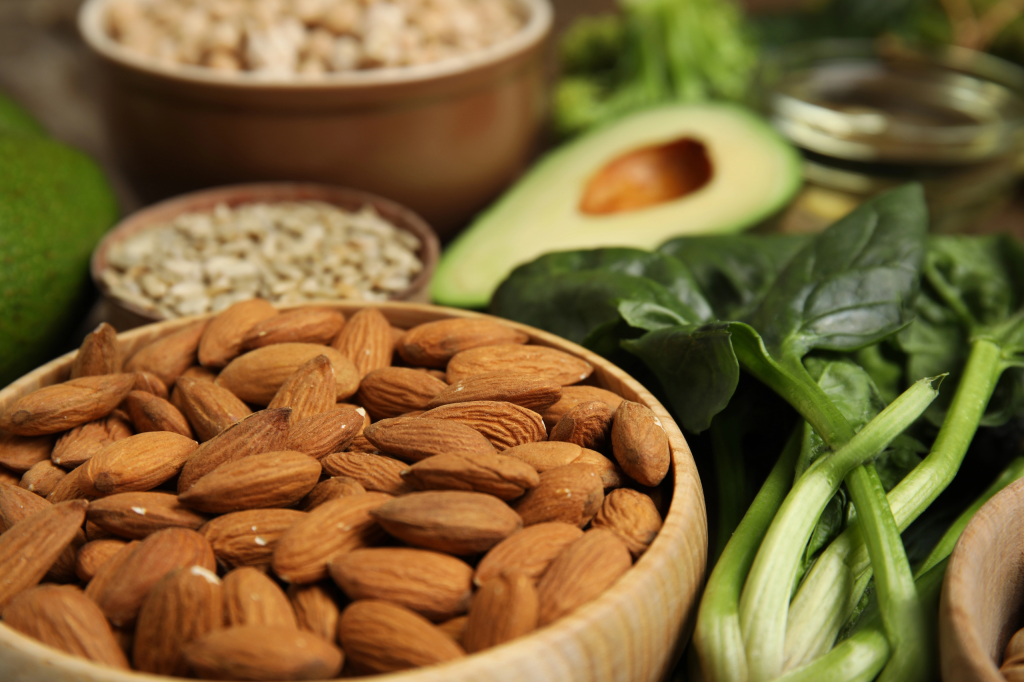
This is one of our favorite categories because such a small serving can deliver an impressive range of nutrients. Depending on the variety, nuts and seeds may provide magnesium, zinc, vitamin E, selenium, fiber, plant-based omega-3 fatty acids, protein, and beneficial phytonutrients. Walnuts, almonds, pumpkin seeds, flaxseeds, sesame seeds, and sunflower seeds can all have a place in a nutrient-dense diet.
Seed Cycling: A Simple Way to Add Nutrient Diversity
Seed cycling involves rotating particular seeds during different phases of the menstrual cycle. During the follicular phase, flax and pumpkin seeds are typically used. During the luteal phase, sesame and sunflower seeds are commonly incorporated. These seeds naturally provide healthy fats, fiber, lignans, magnesium, zinc, vitamin E, selenium, and other plant compounds.
We want to be clear: seed cycling is not a treatment for a hormonal disorder, nor should it replace appropriate evaluation when symptoms suggest an underlying imbalance. Instead, we view it as one possible food-based strategy for adding nutritional variety and targeted nutrients to an overall wellness plan. For those who want a convenient approach, we love Beeya’s Phase 1 + Phase 2 seed cycling blends — you can shop them through The Miracle Wellness Center here.
Fermented Foods
Yogurt, kefir, sauerkraut, kimchi, miso, and tempeh are examples of fermented foods that may help introduce beneficial microorganisms and fermentation products into the diet. Because the gut microbiome is an important part of the gut-brain conversation, dietary diversity — including fermented foods when tolerated — may be one way to help support microbial diversity. If fermented foods are new to you, small amounts incorporated consistently may be a more comfortable place to begin.
Leafy Greens
Spinach, kale, arugula, Swiss chard, romaine, and other leafy greens deliver an impressive nutritional package that includes folate, magnesium, fiber, antioxidants, and phytonutrients. Folate is particularly interesting because it participates in methylation and pathways involved in neurotransmitter metabolism. Try adding greens to smoothies, soups, salads, bowls, wraps, or sautéed vegetables.
What Should We Eat Less Often?
Instead of creating a long list of “bad foods,” we encourage patients to look at their overall dietary pattern. How much of your nutrition is coming from foods that nourish you? And how much is coming from foods that leave very little nutritional value behind? A diet heavily dominated by ultra-processed foods, refined carbohydrates, added sugars, and highly processed fats may make it more difficult to maintain healthy blood sugar, gut function, nutrient density, and inflammatory balance.
You don’t need perfection. You need a pattern. One meal doesn’t define your health any more than one healthy meal fixes everything. It is what we repeatedly give the body that begins shaping its nutritional environment.
Food Is Information
This is one of the principles we return to again and again in Functional and Integrative Medicine: food isn’t simply calories. It is information. Every meal delivers proteins, fats, carbohydrates, vitamins, minerals, fiber, and plant compounds that interact with your physiology. Those nutrients become part of the raw material your body uses to build hormones, neurotransmitters, enzymes, cell membranes, and much more.
So when someone comes to us struggling with fatigue, brain fog, mood changes, hormone symptoms, digestive concerns, or simply feeling unlike themselves — we don’t believe in looking at one symptom through one narrow lens. We ask what else may be happening beneath the surface. How is the gut functioning? What does blood sugar regulation look like? Are nutrient needs being met? How are hormones communicating? What is happening with sleep and stress? What does the person’s individual history tell us? Because your symptoms are part of a larger story. And sometimes, supporting the brain begins with something beautifully ordinary: what’s on your plate.
Contact Us
The Miracle Wellness Center
📞 225-277-2488 (TEXT or CALL)
📧 beewell@miraclecenterbr.com
📍 10771 Perkins Rd, Suite C, Baton Rouge, LA
Ready to take your first step? Click here to book your First Step Call — $99
A Note of Intention
This space is meant to educate, not to diagnose. The words shared here are offered as learning, reflection, and curiosity—never as a substitute for personalized medical care. Every body carries its own story, its own history, its own rhythm. What applies to one may not apply to another.
If something here resonates with you, let it be an invitation—to ask questions, to seek guidance, to explore next steps with a qualified healthcare professional who knows you. Healing is not one-size-fits-all, and true care is always personal.
May this information serve as a lantern, not a prescription—lighting the path, while honoring the wisdom of individualized support.
Some of the links on this page may be affiliate links. The Miracle Wellness Center may earn a small commission from qualifying purchases through this link at no additional cost to you. We only share products aligned with our Functional and Integrative Medicine philosophy.