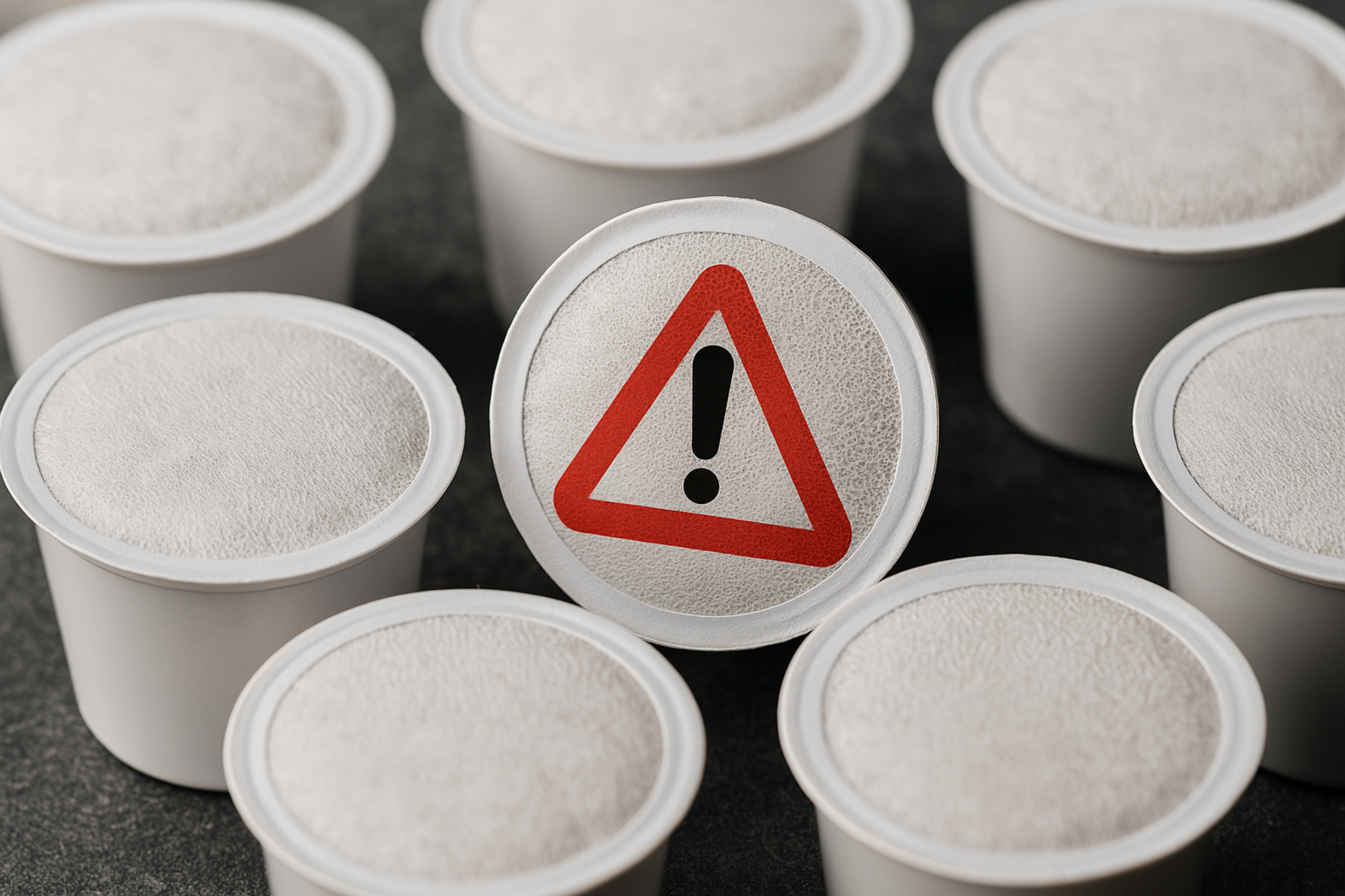
Your morning coffee routine may be easier than ever with single-serve K-Cup pods — but is that convenience quietly working against your health? Millions of Americans start each day by pressing a button and never thinking twice about what happens as hot water and steam blast through those small, colorful pods.
At The Miracle Wellness Center, we believe wellness begins with understanding how everyday choices accumulate over time and affect the body in ways that are rarely visible in the moment. K-Cups are undeniably convenient — but recent research is raising meaningful connections between these widely used coffee pods and cardiovascular stress, hormonal disruption, and chronic inflammation. If you are health-conscious and intentional about what goes into your body, the morning cup deserves a second look.
What’s Inside a K-Cup That Could Affect Your Health?
Plastic Shells: The Hormone Disruptor You Didn’t Know About
The colorful plastic exterior of K-Cups is not just packaging — it is a potential source of hormone-disrupting chemicals. K-Cups are commonly manufactured from petroleum-based plastics that can release BPA analogs and phthalates when exposed to heat. These chemicals can occupy hormone receptor sites that were designed for the body’s naturally produced hormones, creating what is known as estrogen mimicry.
The cardiovascular implications are significant. These compounds have been associated with arterial inflammation, elevated blood pressure, atherosclerosis, and increased risk of cardiovascular events. And because hormone-disrupting chemicals are already pervasive in the modern environment, the daily accumulation from a habitual K-Cup routine adds meaningfully to an existing cumulative burden.
Aluminum Lining: A Heavy Metal You Don’t Want in Your Cup
Many K-Cups contain an aluminum foil layer designed to preserve freshness. When heated, this metal can leach into the brewed coffee. Aluminum exposure is associated with oxidative stress throughout the body, mitochondrial dysfunction that impairs cellular energy production, and cardiovascular concerns related to blood vessel health. Some lower-quality pods have also been found to carry trace contamination with heavier metals — an additional consideration for daily use.
Pre-Ground Coffee: Stale and Potentially Problematic
Unlike freshly ground beans, the pre-ground coffee sealed inside K-Cups may have been sitting for months before it reaches your cup. Oxidized coffee oils can contribute to the formation of inflammatory compounds and support mold or fungal growth in storage. Antioxidant levels in stale coffee are significantly lower than those in freshly ground beans — reducing or eliminating the cardiovascular benefits that well-prepared fresh coffee is known to provide. With K-Cups, the storage timeline is simply unknown.
Industrial Adhesives and VOC Exposure
The adhesives used to seal K-Cup lids contain volatile organic compounds that can be released when exposed to hot water and steam. Daily use means low-level, repeated exposure to these industrial chemicals — a pattern that, like plastic and metal leaching, may contribute to cumulative inflammatory and cardiovascular burden over time.
Why Heat Makes Everything Worse
Heat is the variable that elevates all of these concerns from theoretical to clinically relevant. When brewing with K-Cups, the combination of near-boiling water, steam pressure, and coffee’s natural acidity creates conditions that accelerate chemical extraction from every component of the pod. Plastic materials become more porous under heat, releasing stored chemicals more readily. Metal ions leach more freely from the aluminum layer. Adhesives break down and volatilize. And any existing contaminants become more bioavailable — meaning the body absorbs more of them per cup than it would at room temperature.
Wellness isn’t about perfection — it’s about consistently making more informed choices. Your morning coffee is a beautiful daily ritual. The question is simply whether what’s in your cup is supporting your health or quietly adding to the body’s toxic load. Small switches, practiced consistently, make a real difference over time.
— DR. LYNN DUHE, PhD-IM, FNP-BC, FNP-C
How to Protect Your Heart Without Giving Up Your Coffee
None of this means you need to give up coffee. It means making more intentional choices about how it’s prepared.
Choose Better Brewing Methods
Use freshly ground coffee whenever possible — ideally ground just before brewing. Choose non-plastic brewing methods such as a French press, ceramic pour-over, or stainless-steel drip filter. Select organic coffee beans that have been independently tested for mold and mycotoxin contamination — a step that makes a meaningful difference in the quality of what you’re drinking every morning.
Minimize Ongoing Chemical Exposure
Limit or phase out disposable pods to reduce the cumulative daily chemical exposure that comes with habitual K-Cup use. Where convenience is important, explore high-quality reusable pod options that allow you to fill with fresh, clean coffee of your choosing. Read labels carefully and avoid products with unnecessary chemical additives.
Invest in the Ritual
A simple coffee grinder and a quality brewing method often produce better-tasting coffee than a pod system — while giving you full transparency over what you’re consuming. The ritual itself can become something worth slowing down for, rather than a task to complete as quickly as possible.
The Bigger Picture: Daily Choices and Long-Term Health
At The Miracle Wellness Center, we understand that wellness is not about perfection — it is about consistently making more informed choices in the direction of your long-term health. Your morning coffee is a meaningful focal point precisely because it is something most people do every single day without question. When small daily habits are examined through a Functional Medicine lens, the cumulative impact of those choices — on cardiovascular health, hormone balance, and inflammatory load — becomes much clearer.
Total cardiovascular health requires more than switching coffee pods. It requires understanding your whole-body toxic load, supporting the body’s detoxification systems through targeted dietary and lifestyle choices, identifying and addressing the inflammatory triggers driving chronic disease risk, and recognizing the role hormone balance plays in heart health — all of which we explore with patients at The Miracle Wellness Center.
Your coffee should nourish you and bring you genuine pleasure — not add unnecessary chemicals to a body that is already working hard. Every informed choice you make in the direction of quality moves you closer to the vibrant, lasting health you deserve. Your heart will notice the difference.
Contact Us
The Miracle Wellness Center
📞 225-277-2488 (TEXT or CALL)
📧 beewell@miraclecenterbr.com
📍 10771 Perkins Rd, Suite C, Baton Rouge, LA
Ready to take your first step? Click here to book your First Step Call — $99
A Note of Intention
This space is meant to educate, not to diagnose. The words shared here are offered as learning, reflection, and curiosity—never as a substitute for personalized medical care. Every body carries its own story, its own history, its own rhythm. What applies to one may not apply to another.
If something here resonates with you, let it be an invitation—to ask questions, to seek guidance, to explore next steps with a qualified healthcare professional who knows you. Healing is not one-size-fits-all, and true care is always personal.
May this information serve as a lantern, not a prescription—lighting the path, while honoring the wisdom of individualized support.
Some of the links on this page may be affiliate links. The Miracle Wellness Center may earn a small commission from qualifying purchases through this link at no additional cost to you. We only share products aligned with our Functional and Integrative Medicine philosophy.