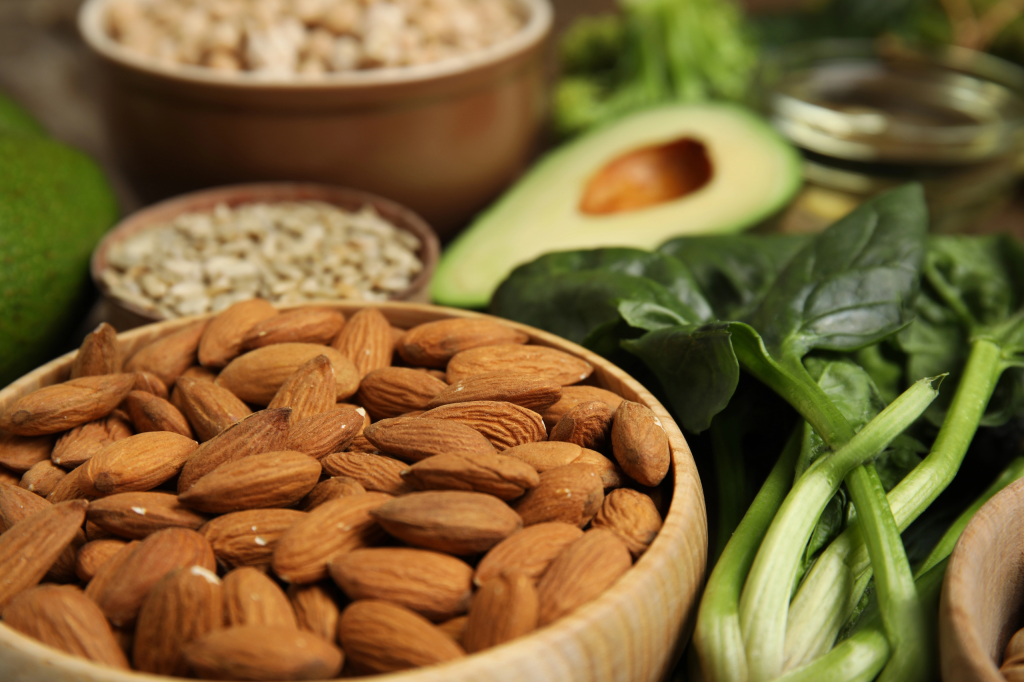
If you’ve ever stumbled across the term “antinutrients” in a nutrition conversation, you might have nodded politely while secretly thinking — “Wait… what exactly are those?” You’re not alone. The world of plant foods can feel like a rollercoaster. One day leafy greens and grains are the holy grail of health, and the next, they’re being cast as digestive villains in a trendy carnivore or elimination diet.
So what’s really going on? The answer — like most things in Functional and Integrative Medicine — is more nuanced than the headlines suggest. And once you understand it, you can stop being afraid of your food and start working with it instead.
What Are Antinutrients?
Simply put, antinutrients are natural compounds in plants that evolved as a defense mechanism. Plants can’t run from predators or grow teeth to fight back — so they use chemistry instead. Antinutrients help plants survive long enough to reproduce by making seeds, leaves, and roots less appealing or harder to digest for animals — including humans.
When we understand why they exist, antinutrients start to make sense. And more importantly, we can learn how to prepare and combine plant foods in ways that minimize their impact — so we can enjoy all the benefits without the digestive drama.
The Most Common Antinutrients — and What They Do
Lectins — The Seed Bodyguards
Lectins are proteins that bind to carbohydrates in the gut. Their job is to make seeds harder to digest so they can pass through animals intact and germinate elsewhere. Common sources include beans, lentils, grains, peanuts, and nightshades. In sensitive individuals, they may contribute to bloating, joint stiffness, brain fog, and general digestive discomfort.
The good news? Traditional cultures knew the secret long before modern nutrition did — soaking, sprouting, fermenting, and slow-cooking beans dramatically reduces lectins and makes them far easier to enjoy.
Phytates — The Mineral Blockers
Phytates, or phytic acid, latch onto minerals like iron, magnesium, zinc, and calcium — reducing their absorption. Eating large amounts of unprepared grains or nuts over time can lead to subtle deficiencies, even when a diet looks nutrient-rich on paper. Common sources include grains, nuts, seeds, and legumes. Potential effects include fatigue, brittle nails, low iron, and a slower metabolism.
A morning bowl of oats may look virtuous — but if you feel drained a few hours later, phytates could be part of the story worth exploring.
Oxalates — The Crystal Culprits
Oxalates can bind with calcium to form tiny crystals, which in excess may irritate tissues or contribute to kidney stones in sensitive individuals. Common sources include spinach, almonds, cacao, beetroot, and sweet potato. Moderation, proper preparation, and pairing with mineral-rich foods can help you continue enjoying these nutrient-dense plants safely.
Tannins — The Bitter Protectors
Tannins are polyphenols that give plants their astringent, slightly bitter taste. They discourage overeating and can reduce the absorption of iron and protein. Common sources include tea, coffee, wine, legumes, and nuts. For some people — particularly those already low in iron — tannins consumed regularly and in large amounts can compound an existing deficiency.
Enzyme Inhibitors — The Digestion Blockers
Some plant compounds slow down your digestive enzymes directly. Protease inhibitors hinder protein digestion. Amylase inhibitors slow carbohydrate breakdown. Lipase inhibitors reduce fat digestion. Common sources include soybeans, legumes, raw nuts, and whole grains. Effects may include bloating, gas, loose stools, and persistent cravings even after eating. Fortunately, proper preparation significantly reduces these inhibitors.
We don’t demonize food at The Miracle Wellness Center — we decode it. Understanding how your body responds to what you eat is one of the most empowering things you can do for your long-term health. Plants are powerful medicine. It’s just about knowing how to use them.
— DR. LYNN DUHE, PhD-IM, FNP-BC, FNP-C
How to Enjoy Plants Without Compromise
You don’t have to avoid plants — not even close. Our ancestors mastered strategies to make plant foods more digestible and nutrient-rich long before the term “antinutrient” existed. These methods are simple, time-tested, and genuinely effective:
- Soaking — Activates natural enzymes to reduce lectins, phytates, and enzyme inhibitors. Always discard the soaking water before cooking.
- Sprouting — Increases nutrient availability while lowering antinutrient content. Simple and effective for grains, lentils, and seeds.
- Fermentation — Uses beneficial microbes to unlock minerals, B-vitamins, and flavor while actively supporting gut health. Think sourdough, fermented porridges, and cultured legumes.
- Slow cooking and pressure cooking — Heat neutralizes lectins and enzyme inhibitors in beans and legumes significantly. A pressure cooker is one of the most practical tools you can have in your kitchen.
- Pairing with animal foods — Fat-soluble vitamins and minerals in meat, dairy, or eggs can meaningfully improve nutrient absorption from plant sources.
One of our favorite tools for making this easy is a quality pressure cooker — you can find a great option here.
Who Might Be More Sensitive to Antinutrients?
Some people notice the effects of antinutrients more acutely than others — and that’s not a personal failing. It’s biology. Individuals who may be more sensitive include those with:
- Low stomach acid or reduced digestive enzyme output
- IBS, IBD, or microbiome disruptions
- Existing mineral deficiencies — iron, magnesium, zinc
- Thyroid or metabolic concerns
- Diets heavy in raw or improperly prepared plant foods
If this resonates with you, it doesn’t mean you need to abandon plants. It means you may benefit from more targeted preparation techniques, mindful food combinations, and possibly some deeper investigation into what your gut actually needs.
How The Miracle Wellness Center Can Help
At The Miracle Wellness Center, we specialize in Functional and Integrative Medicine approaches to nutrition and digestive health. Our team helps patients in Baton Rouge, Prairieville, Gonzales, Denham Springs, and surrounding areas identify sensitivities to plant foods and antinutrients, optimize digestion and nutrient absorption, and create personalized meal plans that incorporate traditional preparation methods rooted in both science and ancestral wisdom.
We also support gut health, mineral balance, and overall vitality — because true nourishment isn’t just about what you eat. It’s about what your body can actually absorb, utilize, and build with.
Your nutrition journey shouldn’t feel like a minefield. With the right guidance, you can eat plants confidently, nourish your body deeply, and thrive — without falling for the extremes of plant villain narratives or overly restrictive dietary ideologies. Food is still medicine. We just help you understand the prescription.
Contact Us
The Miracle Wellness Center
📞 225-277-2488 (TEXT or CALL)
📧 beewell@miraclecenterbr.com
📍 10771 Perkins Rd, Suite C, Baton Rouge, LA
Ready to take your first step? Click here to book your First Step Call — $99
A Note of Intention
This space is meant to educate, not to diagnose. The words shared here are offered as learning, reflection, and curiosity—never as a substitute for personalized medical care. Every body carries its own story, its own history, its own rhythm. What applies to one may not apply to another.
If something here resonates with you, let it be an invitation—to ask questions, to seek guidance, to explore next steps with a qualified healthcare professional who knows you. Healing is not one-size-fits-all, and true care is always personal.
May this information serve as a lantern, not a prescription—lighting the path, while honoring the wisdom of individualized support.
Some of the links on this page may be affiliate links. The Miracle Wellness Center may earn a small commission from qualifying purchases through this link at no additional cost to you. We only share products aligned with our Functional and Integrative Medicine philosophy.