If you’ve been paying attention to nutrition conversations lately, you’ve probably heard the debate around seed oils.
From grocery store shelves to restaurant kitchens, oils like soybean, canola, corn, sunflower, safflower, and grapeseed oil have become staples in the modern diet. But are they as harmless as they’re often marketed to be?
At The Miracle Wellness Center, we take an Integrative and Functional Medicine approach to nutrition—looking not just at trends, but at how foods affect inflammation, metabolism, and long-term health for patients across Baton Rouge and surrounding South Louisiana communities.
Let’s break down why seed oils are such a hot topic in functional medicine and what it really means for your health.
The Rise of Seed Oils in the Modern Diet
Over the past century, dietary patterns have shifted dramatically. Highly processed vegetable and seed oils are now one of the largest sources of fat in the standard American diet. These oils are rich in polyunsaturated fatty acids (PUFAs), particularly omega-6 fats like linoleic acid.
Because linoleic acid is considered “essential” (meaning the body must get it from food), seed oils were widely promoted as a heart-healthy alternative to traditional fats like butter, tallow, and coconut oil.
From a conventional standpoint, replacing saturated fats with plant-based oils was thought to support cardiovascular health. However, Functional and Integrative Medicine practitioners look deeper—beyond cholesterol numbers—to understand how these oils interact with inflammation, hormones, and metabolic function.
The Functional Medicine Concern: Inflammation and Balance
One of the key principles of Functional Medicine in Baton Rouge and beyond is addressing root causes rather than just symptoms. When we examine seed oils through this lens, the concern is not that omega-6 fats are inherently “bad,” but that modern diets contain them in excess and out of balance with omega-3 fats.
This imbalance may contribute to:
- Chronic inflammation
- Hormonal dysregulation
- Metabolic dysfunction
- Oxidative stress
- Gut health disruptions
Many patients seeking Integrative Medicine in Baton Rouge come to us with symptoms like:
- Fatigue
- Weight resistance
- Brain fog
- Skin issues
- Hormone imbalances
While multiple factors are always involved, dietary fats—including the type and quality of oils consumed—can play a meaningful role.
Why Quality and Processing Matter
Another important factor is how these oils are produced. Most conventional seed oils undergo high-heat processing, chemical extraction, and refining. This process can make the oils more shelf-stable but may also increase oxidation, especially when used repeatedly in high-heat cooking (like frying).
Oxidized fats can place additional stress on the body, particularly the liver and cardiovascular system. From a Functional Medicine perspective, we prioritize reducing inflammatory inputs while supporting detoxification pathways and cellular health.
Seed Oils, Metabolism, and Chronic Disease Trends
Over the last several decades, there has been a notable increase in seed oil consumption alongside rising rates of:
- Obesity
- Insulin resistance
- Type 2 diabetes
- Metabolic syndrome
- Chronic inflammatory conditions
While correlation does not equal causation, Functional Medicine practitioners consider dietary patterns as part of a larger picture that includes lifestyle, stress, gut health, and environmental exposures.
At our Integrative Wellness Center serving Baton Rouge and nearby areas, we assess nutrition as a foundational pillar of metabolic health.
A Nuanced, Evidence-Based Approach
In Integrative and Functional Medicine, the goal is not fear-based nutrition but informed, personalized care. Seed oils are not automatically harmful in every context, but the type, quantity, and frequency of consumption matter.
Rather than focusing on extremes, we often recommend:
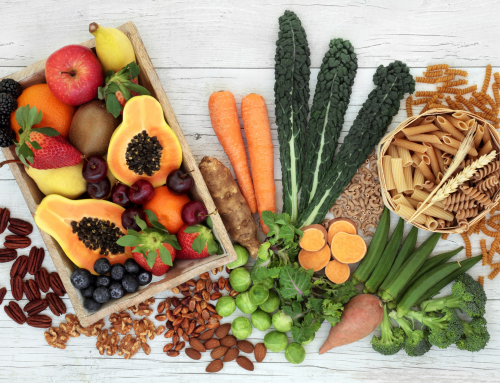
- Emphasizing whole, minimally processed foods
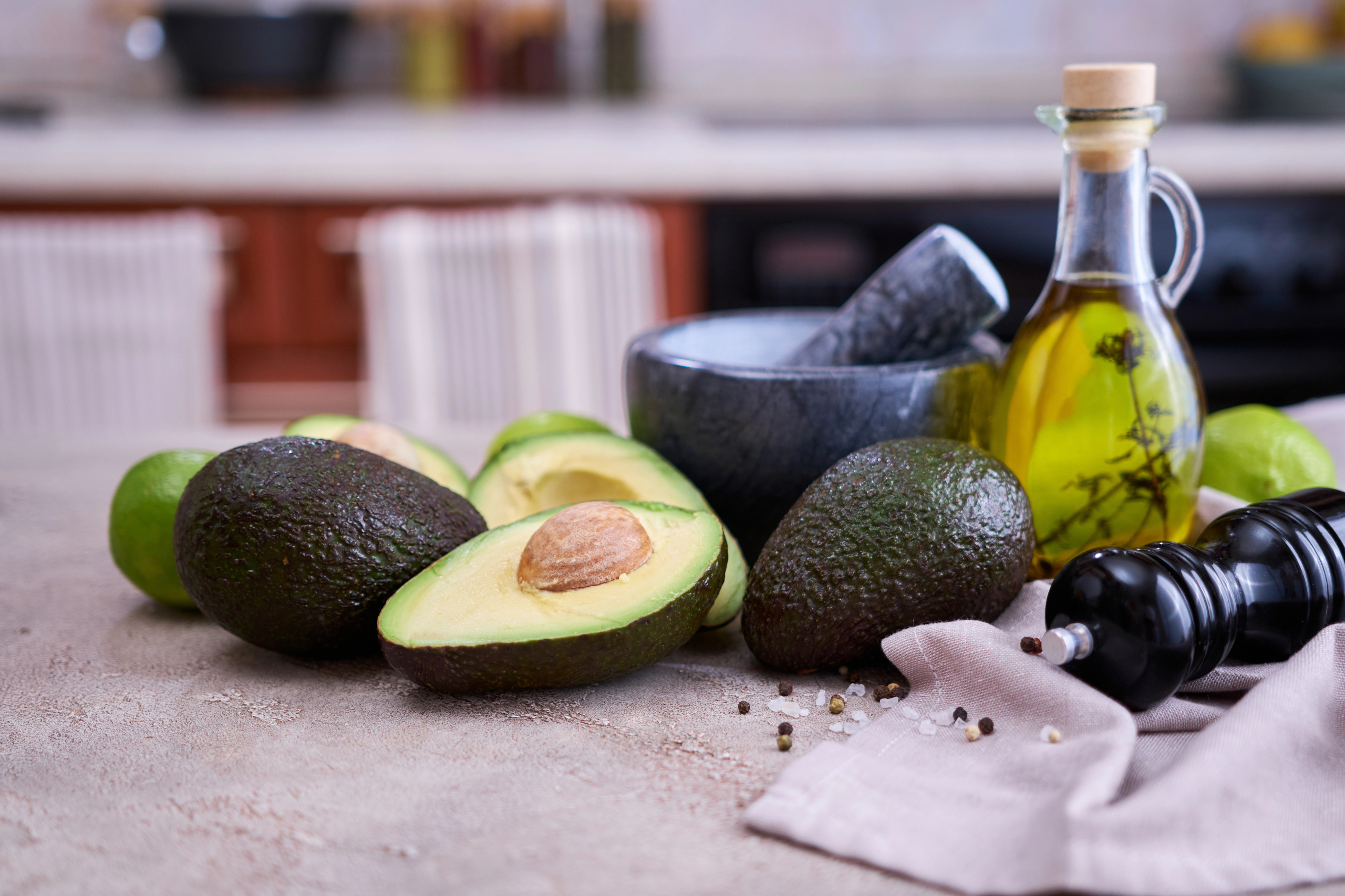
- Cooking with stable fats like olive oil, avocado oil, or grass-fed butter (when appropriate)
- Increasing omega-3 rich foods (wild-caught fish, flax, chia)
- Reducing ultra-processed food intake
- Supporting overall anti-inflammatory nutrition
This approach aligns with functional medicine principles used throughout Baton Rouge and surrounding Louisiana communities, where chronic inflammation and metabolic health concerns are increasingly common.
Personalized Nutrition Through Functional Medicine in Baton Rouge
Every patient is different. What works for one person’s metabolism, hormones, or gut health may not work for another. That’s why a personalized, root-cause approach is essential when evaluating dietary fats and overall nutrition.
At The Miracle Wellness Center, our Integrative Medicine team looks at the full picture—lab testing, lifestyle, inflammation markers, and metabolic health—to create individualized wellness plans.
Instead of simply eliminating foods based on trends, we help patients make sustainable, science-informed choices that support long-term health.
The Bottom Line
Seed oils have become a central part of the modern diet, and the conversation around them continues to evolve. From a Functional Medicine standpoint, the focus is not just on whether a food is “good” or “bad,” but how it fits into your overall inflammatory load, metabolic health, and lifestyle.
If you’re looking for Functional Medicine in Baton Rouge or surrounding areas and want guidance on nutrition, inflammation, hormone balance, or metabolic wellness, a personalized, integrative approach can help you make confident, sustainable choices for your health journey.
Contact Information
The Miracle Wellness Center
📞 Phone: 225-277-2488
📧 Email: beewell@miraclecenterbr.com
📍 Address: 10771 Perkins Rd, Suite C, Baton Rouge, LA
A Note of Intention
This space is meant to educate, not to diagnose.
The words shared here are offered as learning, reflection, and curiosity—never as a substitute for personalized medical care. Every body carries its own story, its own history, its own rhythm. What applies to one may not apply to another.
If something here resonates with you, let it be an invitation—to ask questions, to seek guidance, to explore next steps with a qualified healthcare professional who knows you. Healing is not one-size-fits-all, and true care is always personal.
May this information serve as a lantern, not a prescription—lighting the path, while honoring the wisdom of individualized support.